


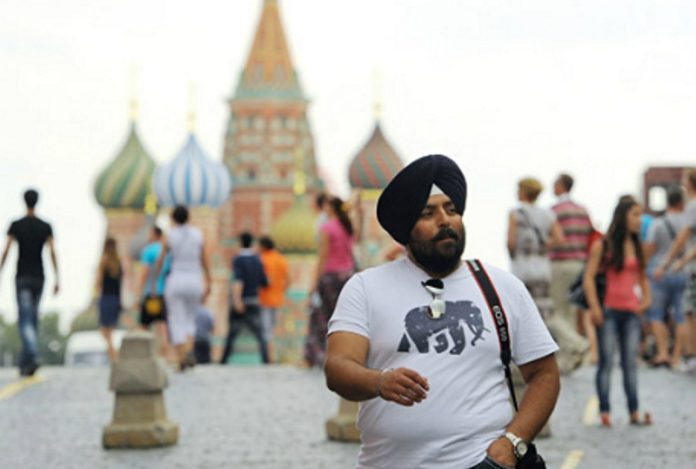
In 2025, India has emerged as a significant player in Moscow’s tourism sector, securing its position as the second-largest source of international tourists. Between January and June 2025, 40,800 Indian visitors flocked to the Russian capital, representing a 40% surge compared to the same period last year. This remarkable growth in Indian tourist numbers highlights Moscow’s increasing allure as a global travel hub, and underscores a growing interest from the Asian markets.
A Surge in Tourism: Moscow’s Expanding Global Appeal
Moscow, a city known for its historical landmarks and cultural richness, is gaining popularity among tourists worldwide. Between January and June 2025, over half a million non-CIS visitors made their way to Moscow, showcasing a 10% year-on-year increase in overall international arrivals. Of these, India has become a key contributor, reflecting a broader global trend of rising interest in Russia’s capital.
This trend can be attributed to multiple factors. The introduction of e-visas for Indian tourists has significantly eased travel logistics. This online visa system, processed within just four days, has made it simpler for Indian nationals to visit Moscow, boosting overall accessibility. Furthermore, Moscow has taken deliberate steps to enhance its appeal by engaging in various international trade shows and promoting cultural exchanges, making the city more attractive to potential tourists.
Moscow’s Hospitality Sector Flourishing with Indian Visitors
The hospitality industry in Moscow has also benefitted from this surge in tourism. Data from Rosstat reveals a 14% rise in the number of foreign hotel guests during the first seven months of 2025, with Indian tourists particularly active in the premium hospitality sector. Indian visitors have shown an increasing preference for upscale accommodations, contributing significantly to Moscow’s growing reputation as a high-end travel destination.
Moreover, cultural events tailored to the Indian community have strengthened this relationship. Events like Bharat Utsav and the International Day of Yoga, part of the “Summer in Moscow” initiative, allow Indian tourists to experience the city not just through its famous landmarks, but also through its vibrant local culture and shared traditions. These initiatives have become pivotal in nurturing closer ties between India and Russia, attracting more Indian travelers to Moscow.
Moscow’s Strategy: Enhancing Ties with India for Long-Term Growth
Moscow’s tourism board is keenly aware of the growing importance of the Indian market and is actively strengthening its engagement with India through industry partnerships and trade shows. Notable events such as the OTOAI Convention 2025 — the first of its kind in Russia — further showcase Moscow’s dedication to promoting itself as a global tourist destination for Indian travelers.
Additionally, Moscow has made significant strides in marketing efforts within India, participating in key travel expos such as OTM, SATTE, BLTM, and MILT Congress. These trade shows not only serve as platforms for marketing but also create opportunities for networking with Indian travel professionals, fostering stronger connections within the travel industry.
Why Indian Travelers Are Drawn to Moscow
There are several factors driving Indian tourism to Moscow. The e-visa program is undoubtedly a major convenience, but it’s not the only reason. Moscow’s rich cultural heritage, coupled with its modern appeal, provides a unique blend of experiences for Indian travelers. Historic landmarks like the Red Square, Kremlin, and St. Basil’s Cathedral attract history enthusiasts, while the vibrant cultural scene, art exhibitions, and music festivals cater to a wide range of interests.
Additionally, Moscow’s growing economic ties with India have played a role in increasing the city’s appeal. Business travelers from India are not only visiting for work but are also taking the opportunity to explore the city’s attractions and cultural heritage. The increase in direct flights between Moscow and Indian cities like New Delhi and Mumbai has also made travel more accessible, fostering the rise in tourism.
What Should Indian Travelers Know Before Visiting Moscow?
For Indian travelers planning their trip to Moscow, there are a few important tips to ensure a smooth experience:
– Visa Process: Make use of the e-visa system for easy access. Ensure that all documentation is correct and submitted well in advance to avoid delays.
– Language: While Russian is the official language, many people in Moscow speak basic English, especially in tourist areas. Learning a few basic Russian phrases could enhance your experience.
– Cultural Etiquette: Russian culture values formality and politeness. Be mindful of your behavior, especially when interacting with locals. Greetings like shaking hands or addressing people by their titles are important.
– Weather: Moscow’s weather can be extreme, particularly in winter. Be prepared for cold temperatures, especially if visiting between November and March, when the city experiences harsh winters.
– Currency: The local currency is the Russian Ruble (RUB). While credit cards are widely accepted, it’s always advisable to carry some cash for small purchases or in case of emergencies.
Moscow’s Vision: A Global Tourism Hub by 2030
With a target of 6 million international visitors annually by 2030, Moscow is setting its sights on becoming a top-tier global destination. The city’s increasing focus on attracting non-CIS tourists, particularly from India, will be pivotal in achieving this ambitious goal. India’s growing role as a key source market aligns with Moscow’s long-term tourism strategy, emphasizing cultural exchange, tourism infrastructure development, and better accessibility. As both nations continue to strengthen their ties, it’s clear that Moscow will remain a central player in India’s outbound tourism market for the foreseeable future.
A Future of Tourism Growth and Collaboration
Tourism sector is clearly on the rise, and its strategic focus on expanding ties with India is set to yield significant long-term benefits. As travel accessibility improves, cultural initiatives thrive, and trade relations deepen, both countries will likely witness increased tourism, bringing their rich histories and cultures closer together in a dynamic and mutually beneficial partnership.
Travel and Tour World